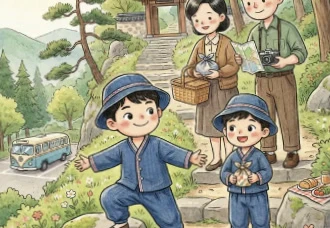
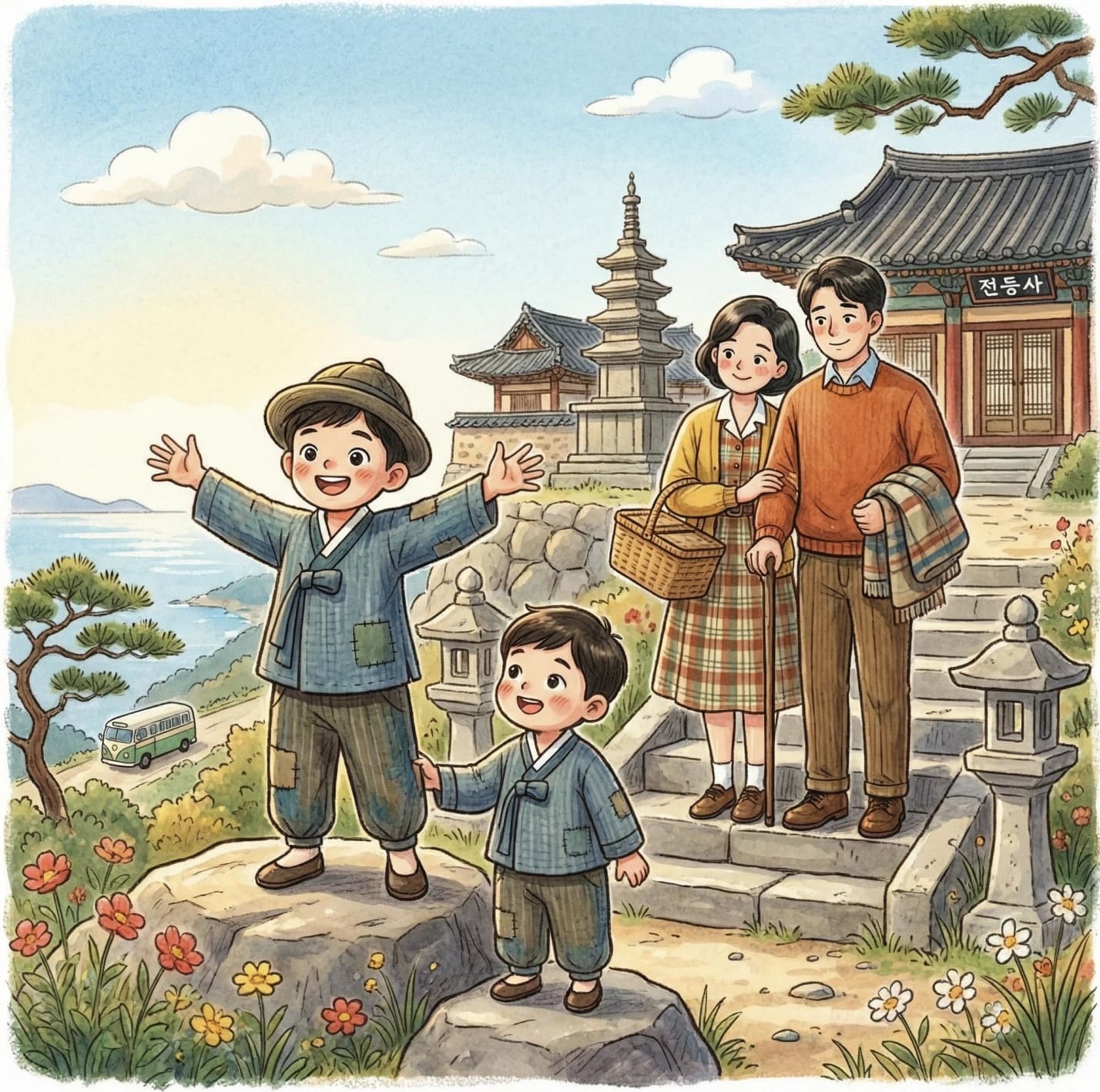
Matching hats on the mountain trail
Two brothers raced up the rocky path.


3 books
konteen is an AI-powered storytelling platform that transforms family memories into illustrated children's books. Through guided conversations, parents and grandparents can share personal stories that are structured into narratives and illustrated as keepsake storybooks for children.
My parents left Korea together in search of a better future. Today I watch my father try to share those stories with his grandchildren, reaching for English words that never quite hold what he means. The things that shaped his life live in a language they cannot speak.
My mother passed away before they were born, so the stories that shaped her life exist only in memory now — stories they will never hear in her own voice.
Moments like these made something clear to me: the stories that define our families are often the ones most easily lost. Language, distance, and time quietly erase them. konteen began as an attempt to preserve those stories — and to give them a form that children could return to again and again.
How might we turn the act of preserving family stories into something as natural and warm as the stories themselves?
We reframed the product around warmth and ritual rather than efficiency. Recording a story should feel like having a conversation, not completing a form — with gentle prompts that help surface memories people often forget they have.

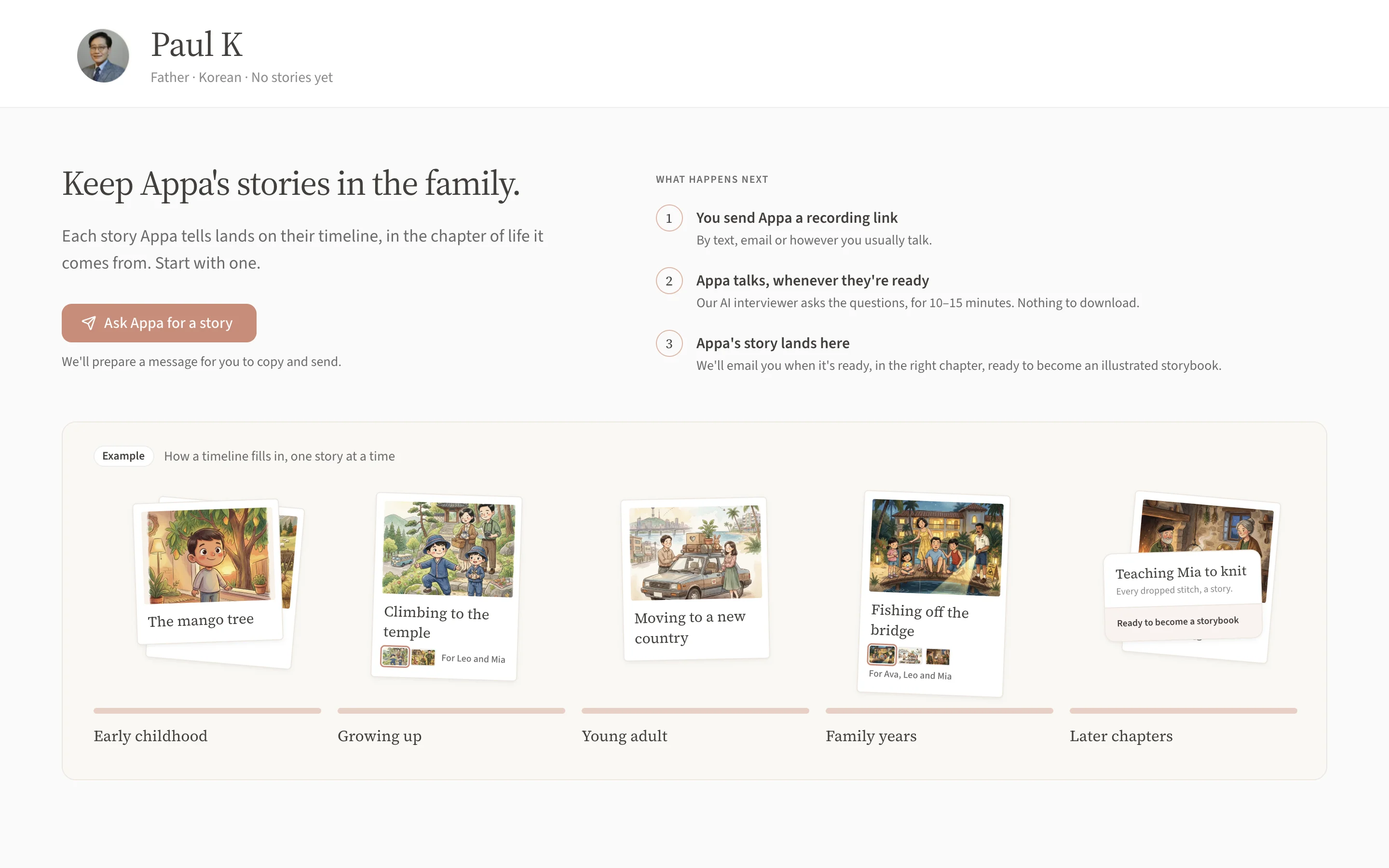
Each storyteller has a timeline organized into chapters of life. Recorded memories sit alongside the books they become, while open chapters offer a place to begin the next conversation.
No stories yet. Tap + to ask.
Suggested next
The earliest chapter with no stories yet.
2 stories

A sudden phone call sought urgent help.
3 books
No stories yet. Tap + to ask.
Stories collect around life stages, giving each memory a place in the larger family story.
Stacked cards keep a growing collection compact while showing which memories are ready to become books.
Suggested questions give the family a specific starting point for another story.
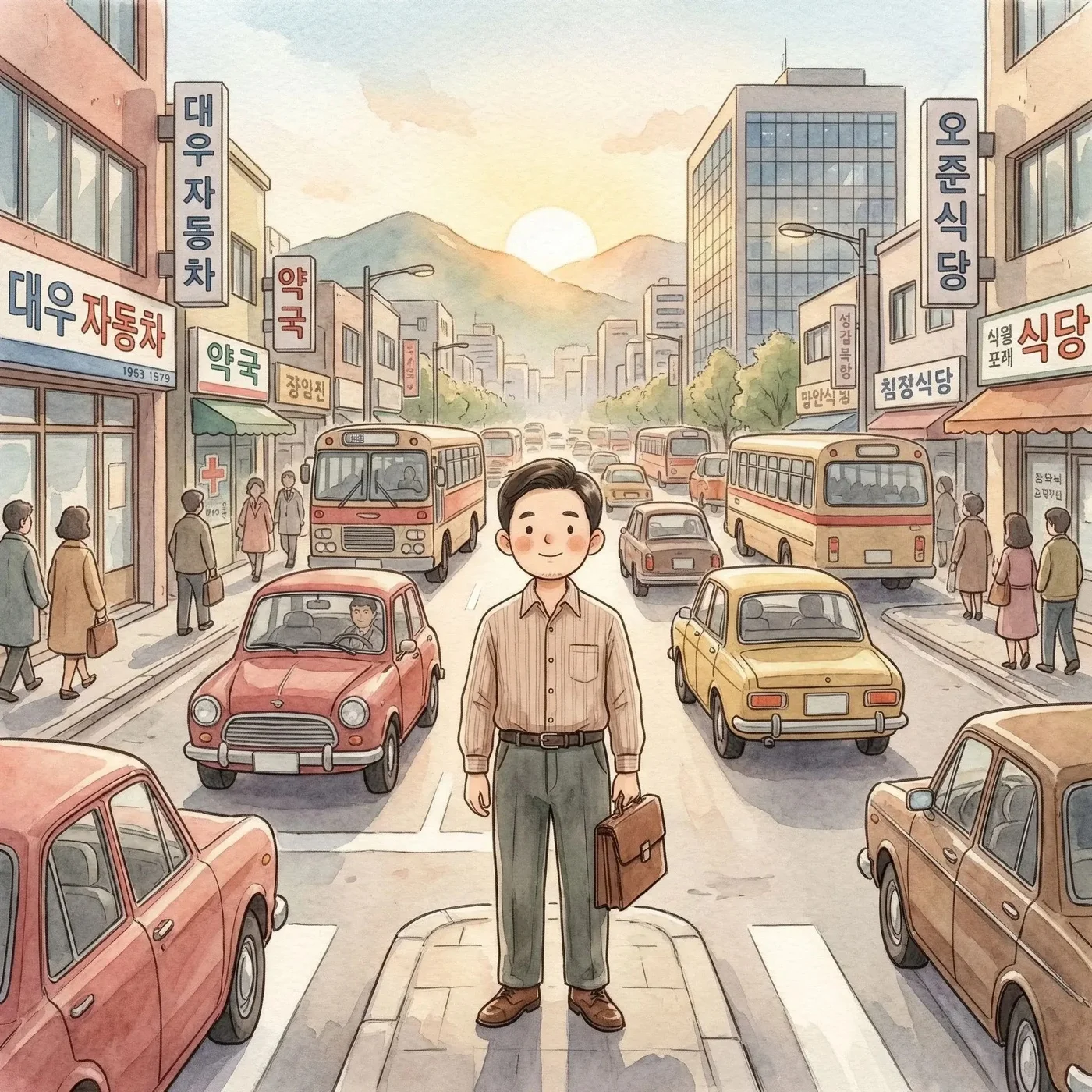
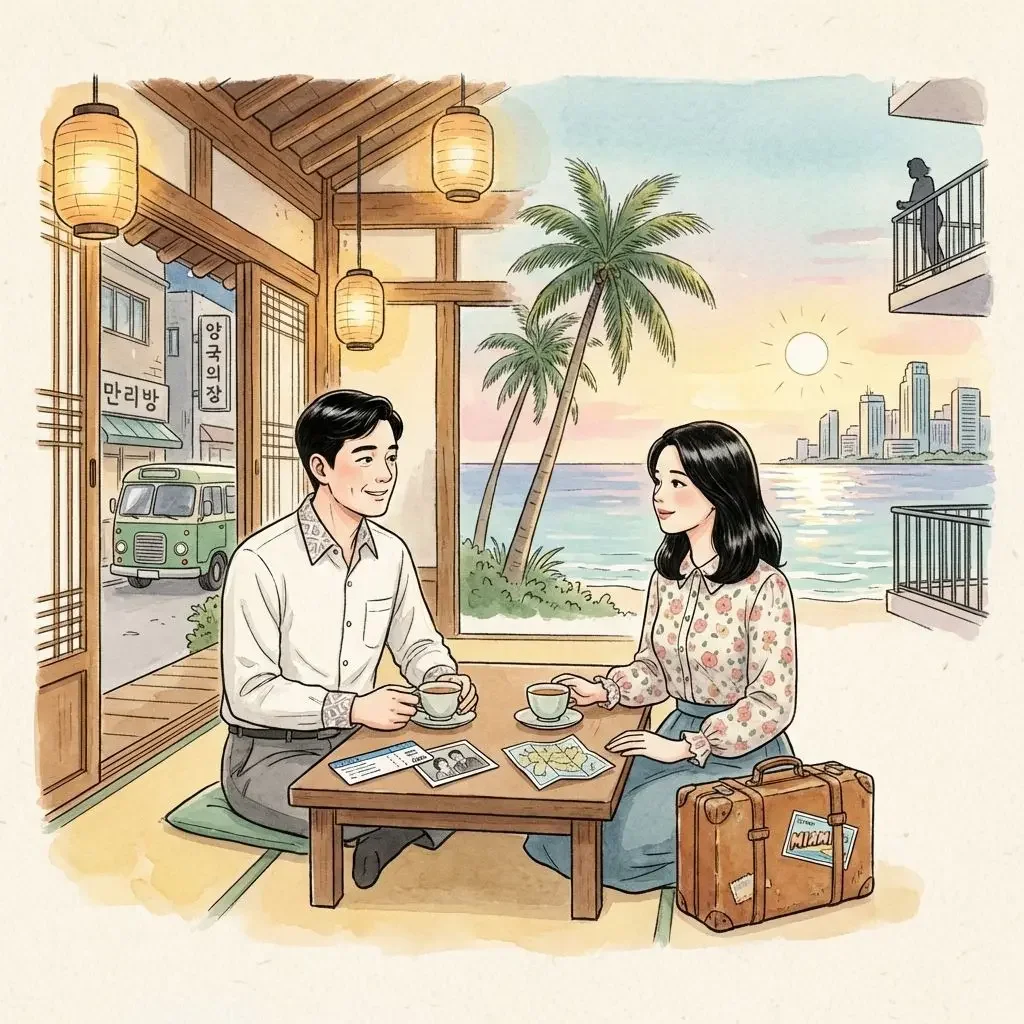
We kept the recording separate from the book. A story is recorded once, in whichever language the storyteller is most comfortable in, and each book is made from it for one reader, with its own language, reading age, and illustration style.
ONE MEMORY · RECORDED IN KOREAN · 9 MIN
A tea house in Seoul
“A sudden phone call sought urgent help.”
찻집의 약속
우리 가족 이야기

La Promesse de la Maison de Thé
Les origines d'une famille
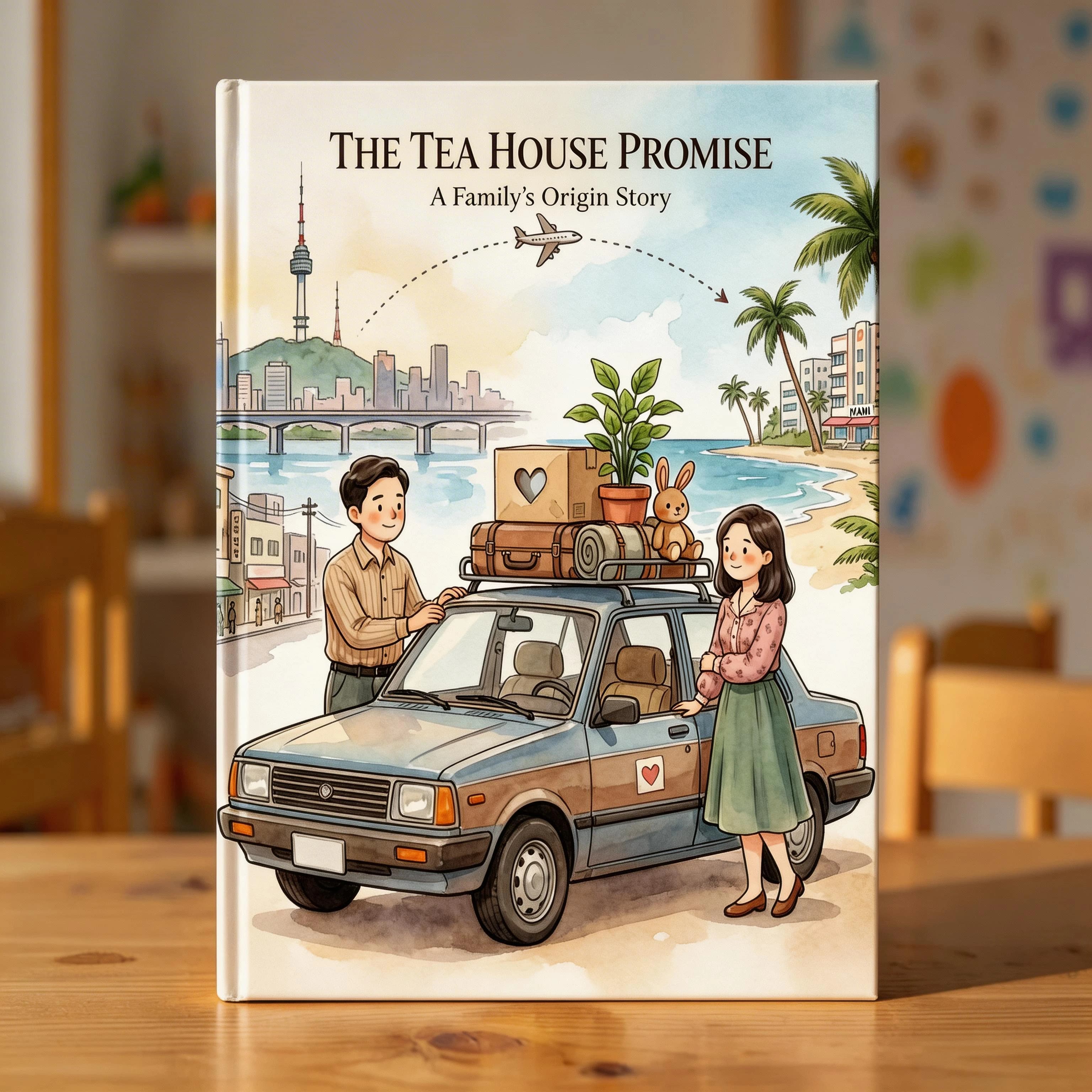
The Tea House Promise
A Family's Origin Story
For Hwanee
KOREAN · AGE 5
For Gracie
ENGLISH · AGE 7
For Ari
FRENCH · AGE 9
An empathetic conversation doesn’t produce a structured story on its own. The pipeline bridges that gap — three distinct AI personas, each tuned to its role: empathetic listening to draw out the story, structured extraction to lock down the facts, and constrained creativity to generate the narrative and illustrations.
↓



The storyteller can correct the AI mid-conversation — extraction handles these revisions without reprocessing the full transcript
Creative output is constrained by prompt rules — imaginative enough for a storybook, structured enough to illustrate
Characters are generated first, then referenced in every subsequent scene — maintaining visual consistency across the full storybook
To ensure visual consistency and emotional tone across stories, we designed a curated illustration system rather than allowing unrestricted generation styles. Each style was chosen for its readability, warmth, and ability to carry the weight of family memories.
Konteen required designing a full pipeline that connects conversation capture, narrative generation, and visual storytelling — coordinating UX design with AI capabilities, narrative constraints, and publishing requirements.
“I helped a stranger once, in a tea house in Seoul. I didn't know it then, but that moment changed everything.”
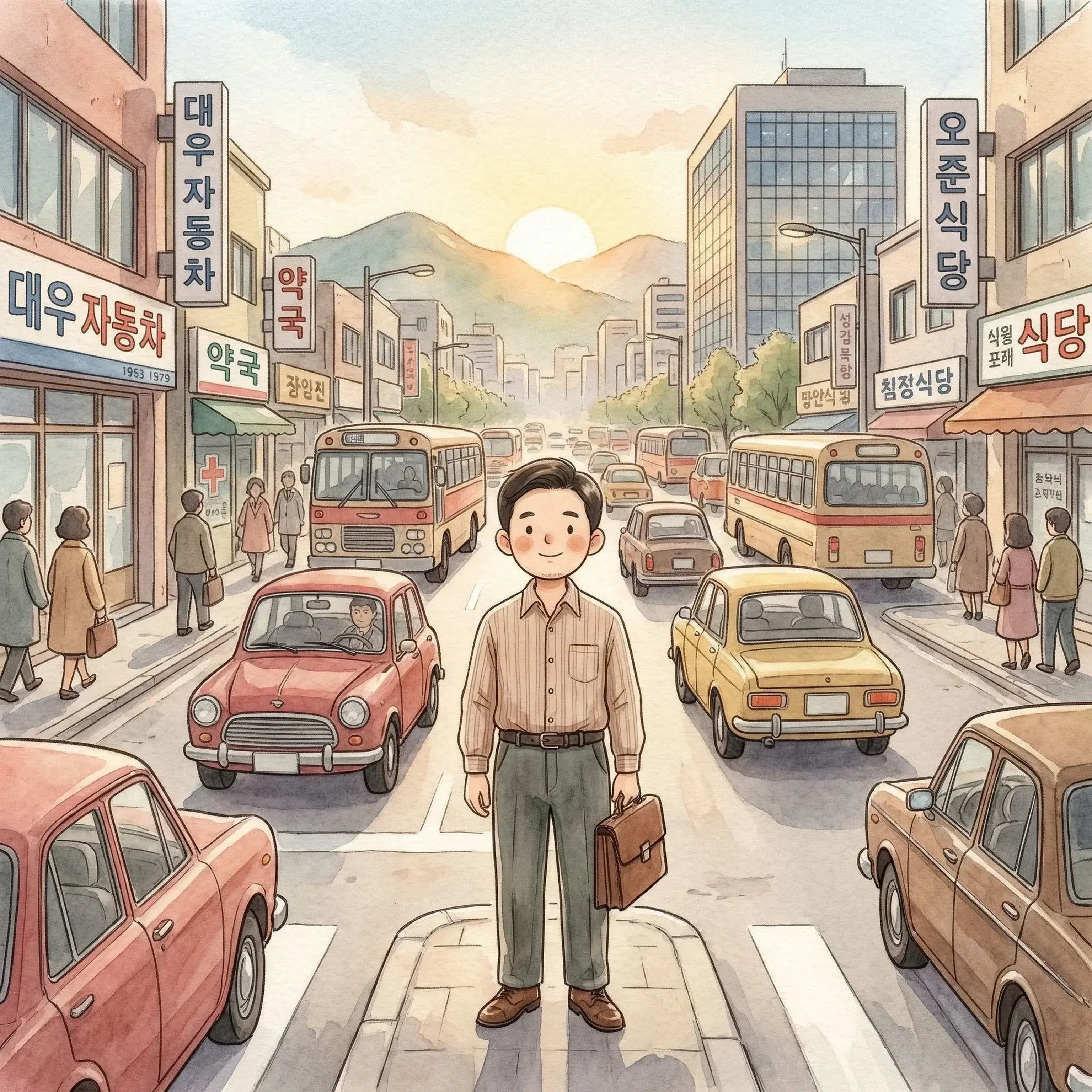
Long ago, in the year 1979, the big city of Seoul in South Korea was a place full of energy and noise. A young man named Paul worked hard every day at Daewoo Motors, never imagining that a single act of kindness would change his life forever…
Before a family has recorded anything, the app explains how the process works and previews what they can make. A single next action leads from an empty account to the first conversation.
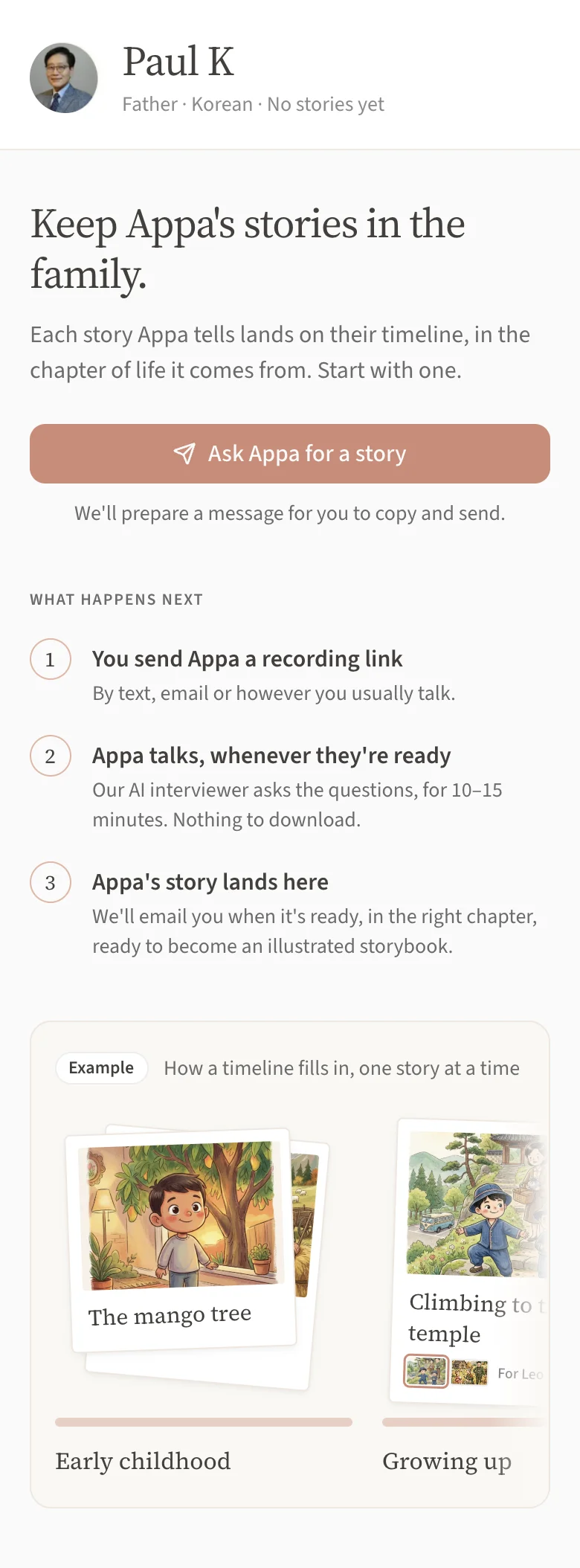
We built the storyteller's page around a timeline of life chapters, partly so there's something to look at right away. Even before the first recording, the example timeline shows what a finished one looks like: illustrated books sitting in the chapters they came from.
It also gives the family a reason to come back. Each new story fills in a chapter, and the empty ones show what's still missing. Over time, someone's life builds up as a shelf of illustrated storybooks, and every request for a new story adds to something the family can already see.
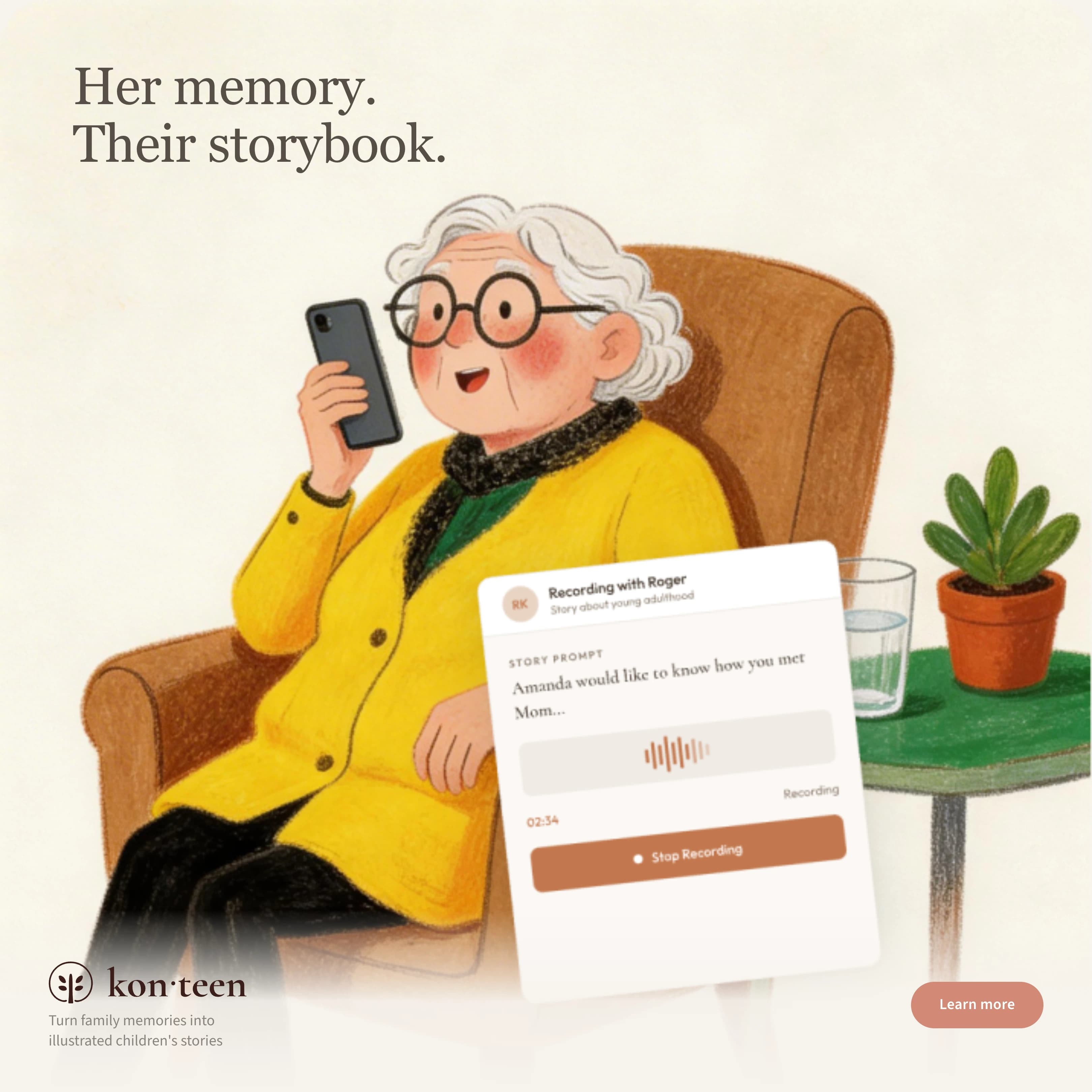
Family stories are quiet. Social platforms are loud. The challenge was designing content that could hold the emotional weight of the product in a format built for speed. On a two-person team, I've owned that side as well: the landing pages, the messaging, and the social posts that bring a family from a first visit to their first book.
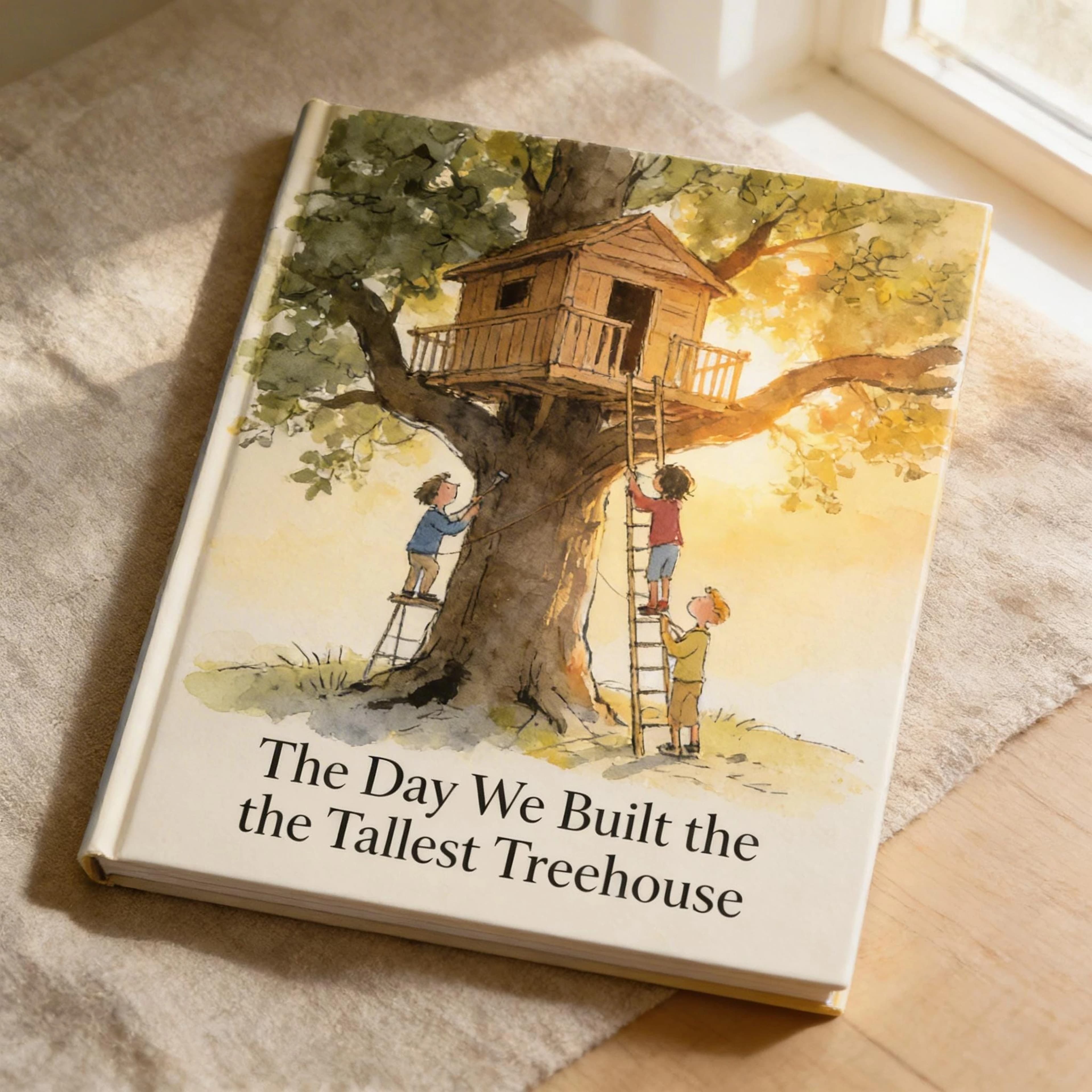
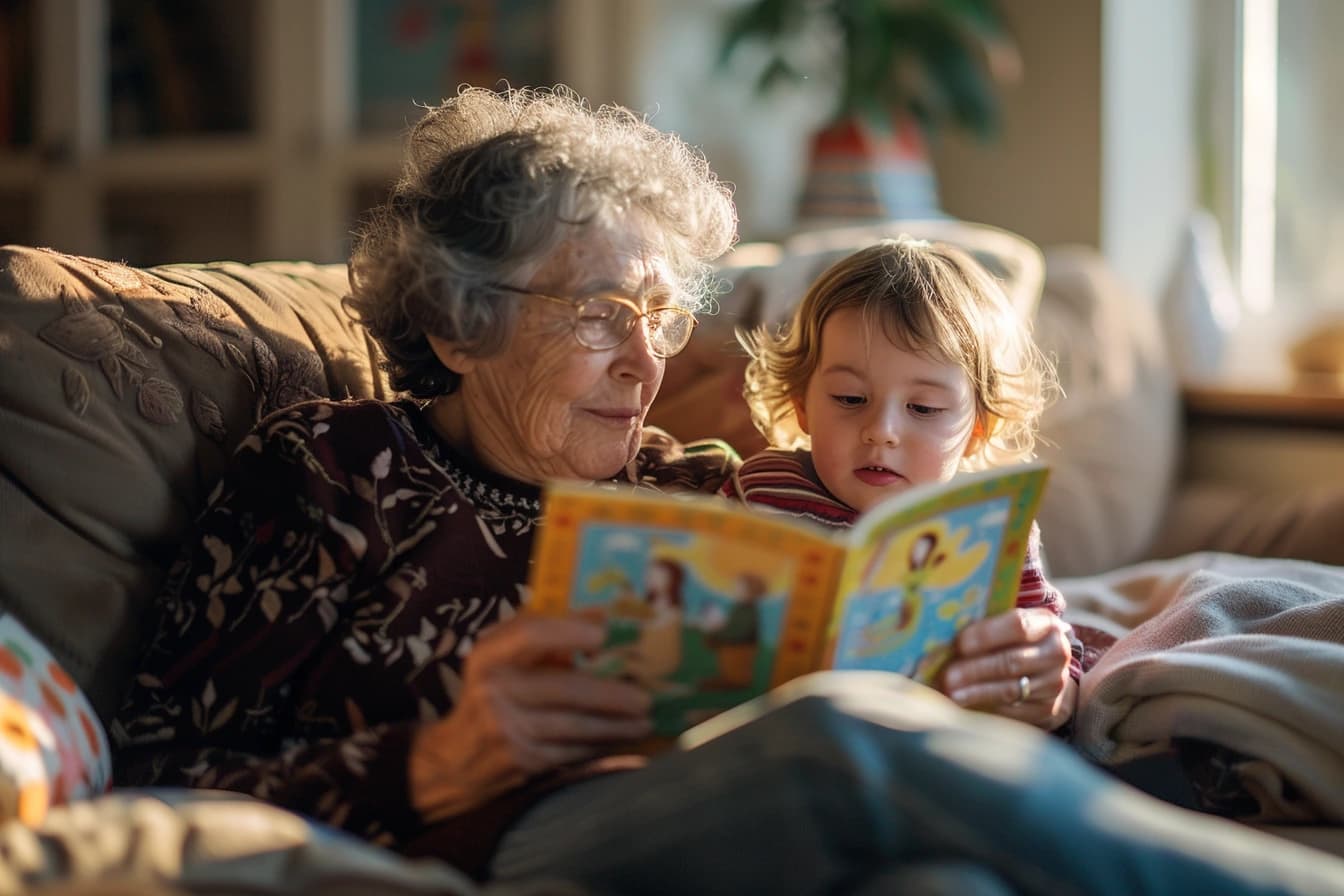
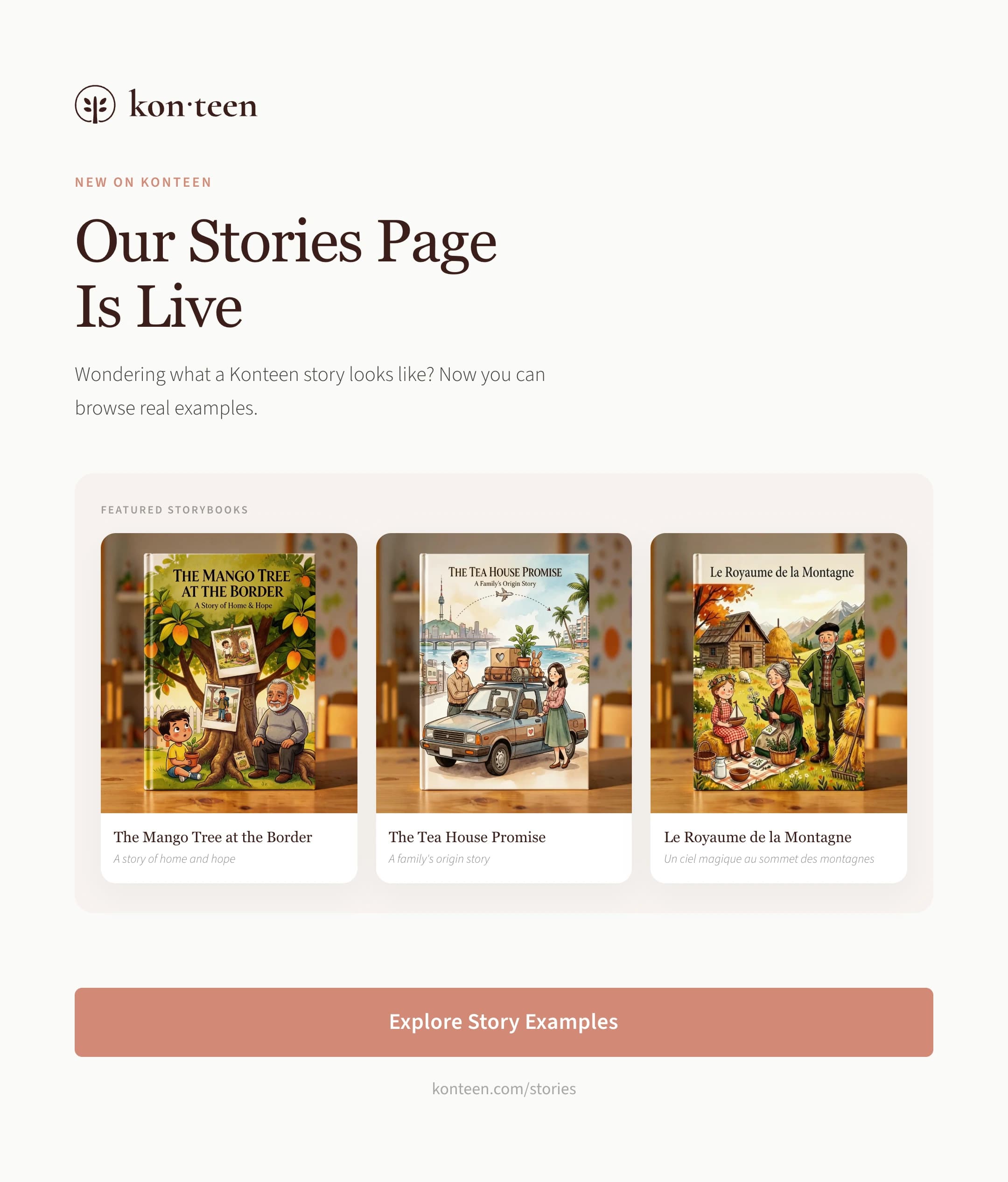
The conversation, the story, the illustrations.
Designing across all three has shown me how different each one is as a design problem. The hardest design challenge wasn't the interface — it was earning trust in deeply personal moments.